The Most Expensive Dental Treatment Is the One You Put Off
Why Investing in Your Dental Health Today Can Save You Pain, Money, and Regret Tomorrow
What if spending a little on your dental health today could save you thousands of dollars—and months of discomfort—tomorrow?
We insure our homes, maintain our cars, and invest in retirement accounts. Yet one of our most valuable assets—our teeth and gums—often gets attention only when something hurts.
It’s understandable. Dental care can be expensive, and when nothing hurts, postponing a visit seems like an easy way to save money.
But here’s the problem:
Dental disease rarely gets less expensive when you ignore it.
A small problem today can become a major treatment tomorrow. And the price isn’t measured only in dollars. It can include pain, infection, lost teeth, missed work, and diminished quality of life.
The Hidden Cost of Waiting Until It Hurts
Imagine discovering a small cavity during a routine dental examination.
Depending on how early it’s detected, your dentist may be able to recommend preventive measures or repair it with a relatively simple filling.
But what happens if you wait?
The decay can progress deeper into the tooth. Eventually, it may reach the nerve, causing severe pain or infection.
Now, instead of a simple filling, you may need a root canal, crown, or extraction.
If the tooth cannot be saved, replacing it with an implant or bridge could involve additional appointments, procedures, healing time, and expense.
The same tooth that might have been saved with early intervention could eventually cost thousands to replace.
Not every untreated cavity follows this exact path, but the risk increases as disease progresses.
And cavities are only part of the story.
Gum Disease: The Expensive Problem That Often Doesn’t Hurt
Periodontal disease is particularly dangerous because it can progress quietly.
You may notice a little bleeding when brushing or flossing. Perhaps your gums look swollen, or your breath isn’t as fresh as it used to be.
Because there’s little or no pain, it’s tempting to ignore these warnings.
Unfortunately, periodontal disease can gradually destroy the bone and tissues supporting your teeth.
Early gingivitis can often be reversed with professional care and improved home hygiene.
Advanced periodontitis, however, can cause permanent bone loss, requiring more extensive treatment and ongoing maintenance.
In severe cases, teeth may become loose and require extraction.
Then come the additional expenses of replacement, possible bone grafting, and ongoing implant or prosthetic maintenance.
You don’t have to be in pain to have a dental problem worth treating.
The Cost Goes Beyond Your Mouth
One of the most important lessons of modern oral-systemic healthcare is that your mouth doesn’t operate independently from the rest of your body.
Periodontal inflammation has been associated with several systemic conditions, including cardiovascular disease and diabetes.
The relationship with diabetes is especially important. Gum disease can make blood sugar management more difficult, while poorly controlled diabetes can increase the risk and severity of periodontal disease.
Although treating gum disease has not been proven to prevent heart attacks or Alzheimer’s disease, controlling oral infection and inflammation is an important part of protecting overall health.
Think about what that means.
When you invest in oral health, you’re not simply protecting your smile.
You’re also supporting your ability to eat nutritious foods, speak comfortably, maintain confidence, and manage your overall well-being.
Your mouth is part of your body. It deserves the same preventive attention as your heart, bones, and other vital systems.
Investing in Prevention vs. Paying for Repair
Consider how dental problems can escalate:
| Earlier intervention | Possible consequences of delay |
|---|---|
| Early cavity management or filling | Root canal, crown, or extraction |
| Treatment of gingivitis | Periodontal therapy and ongoing maintenance |
| Early treatment of tooth damage | Fracture, tooth loss, or replacement |
| Routine gum and implant monitoring | More complex treatment of peri-implant disease |
| Personalized preventive care | Greater risk of emergency dental visits |
These are examples of possible outcomes, not guaranteed progressions or treatment costs.
The financial lesson is simple:
Prevention is an investment. Delaying necessary treatment can turn a manageable expense into a much larger financial burden.
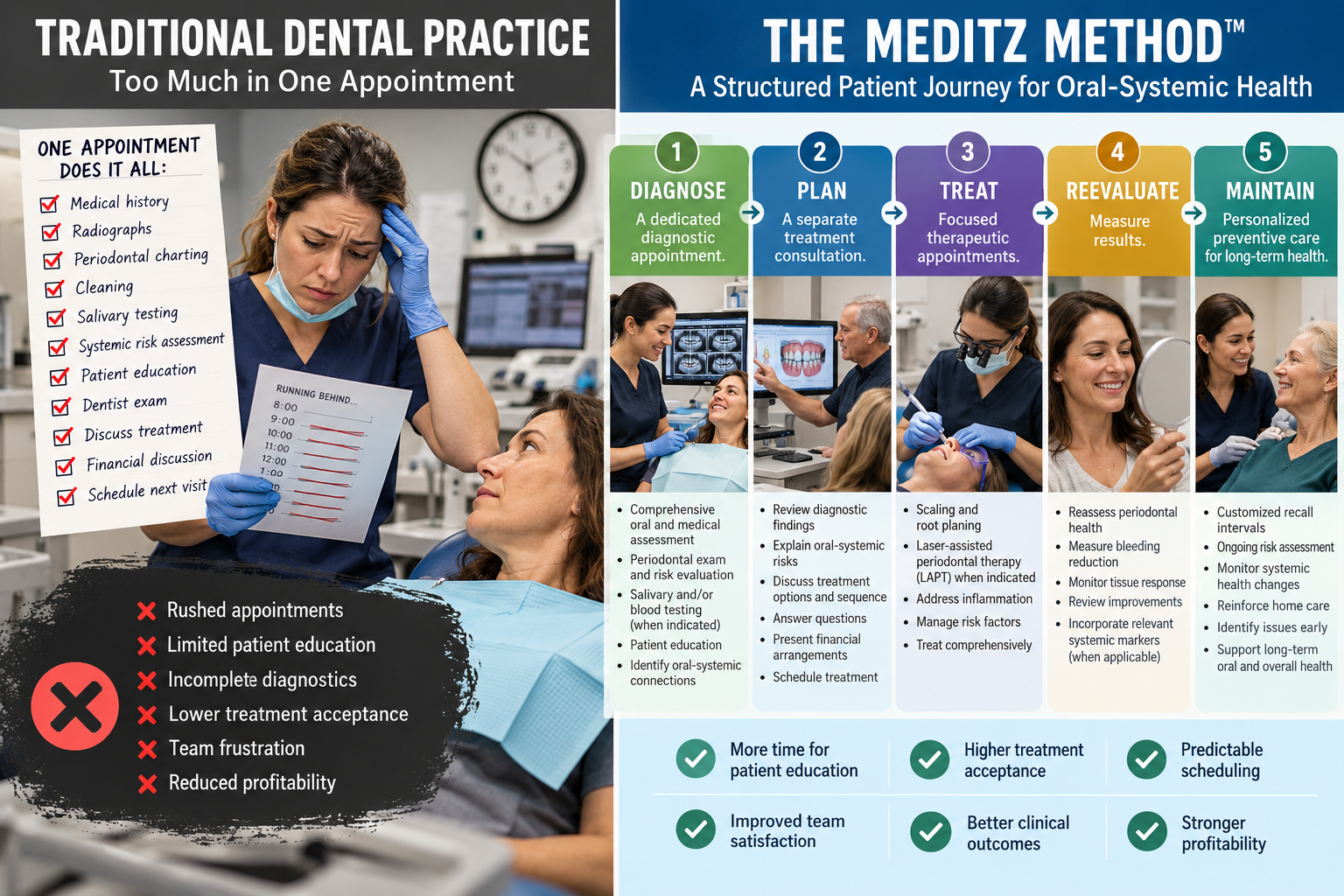
The Meditz Method™: Invest in Finding the Cause, Not Just Repairing the Damage
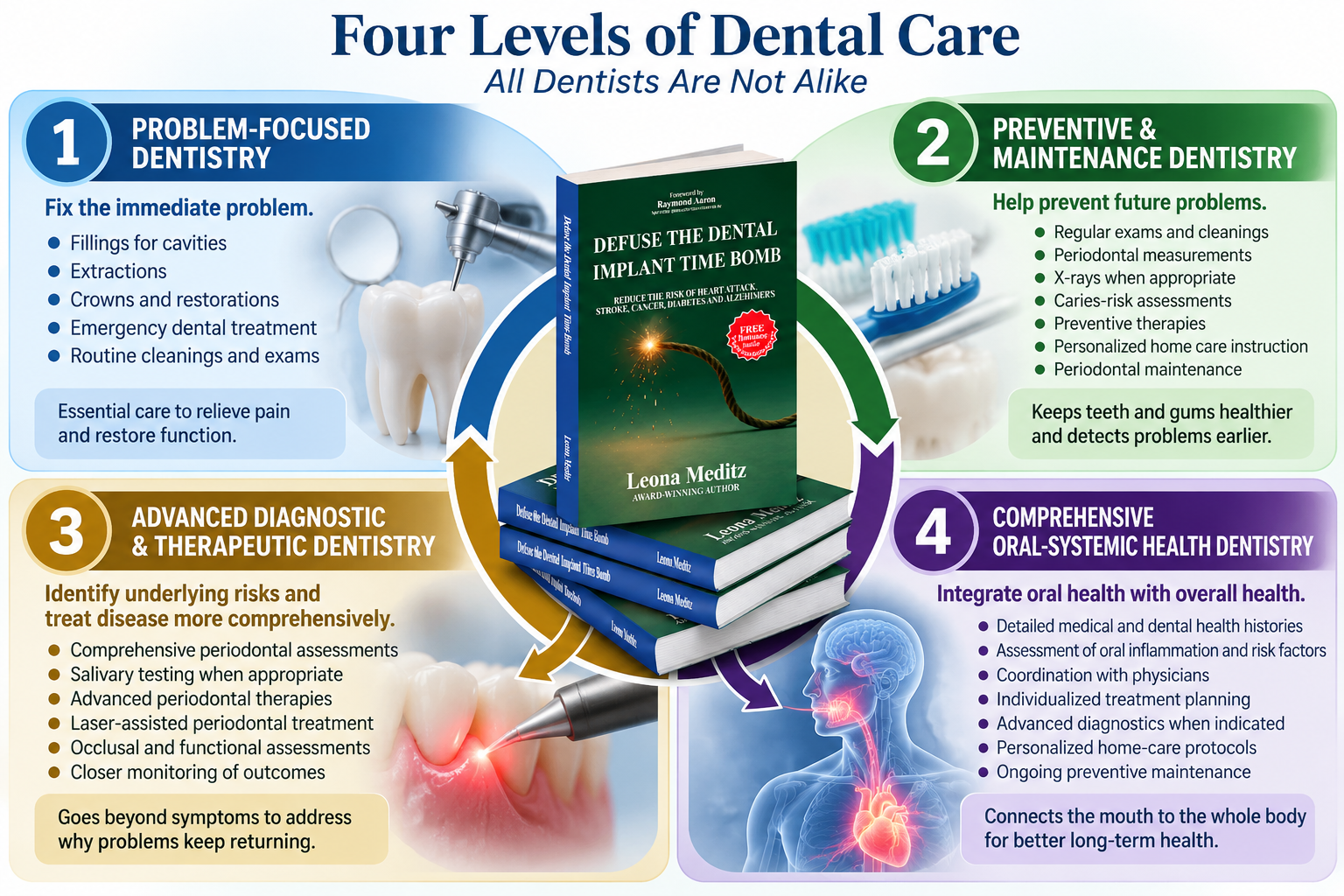
Traditional dentistry often focuses on fixing individual problems as they appear.
A cavity gets filled. A damaged tooth receives a crown. A missing tooth is replaced with an implant.
These treatments can be necessary and valuable.
But wouldn’t it make more sense to identify why those problems developed in the first place?
The Meditz Method™ encourages a more comprehensive oral-systemic approach—one that emphasizes identifying risks, addressing underlying disease, and developing personalized prevention strategies.
This includes:
- Comprehensive diagnostics: Understanding periodontal health, bone support, existing restorations, and other risk factors before problems become more serious.
- Oral-systemic assessment: Recognizing when medical factors, including diabetes and inflammatory conditions, may influence dental health.
- Personalized treatment planning: Identifying priorities and separating diagnostic decisions from treatment decisions so patients understand their options.
- Advanced periodontal care when appropriate: Addressing infection and inflammation using evidence-informed therapies.
- Long-term prevention: Creating a realistic home-care and professional maintenance program to help protect natural teeth, restorations, and implants.
The goal isn’t to recommend more dentistry.
It’s to help patients need less extensive dentistry in the future.
Five Smart Ways to Invest in Your Dental Health
1. Schedule preventive visits before something hurts.
Ask your dentist how frequently you should have examinations and professional cleanings based on your individual risk. Don’t assume that no pain means no disease.
2. Take bleeding gums seriously.
Healthy gums generally shouldn’t bleed during routine brushing or flossing. Persistent bleeding deserves professional evaluation.
3. Ask what happens if you delay recommended treatment.
Understand which problems require immediate attention, which can be monitored, and what the risks of waiting might be.
4. Make daily home care non-negotiable.
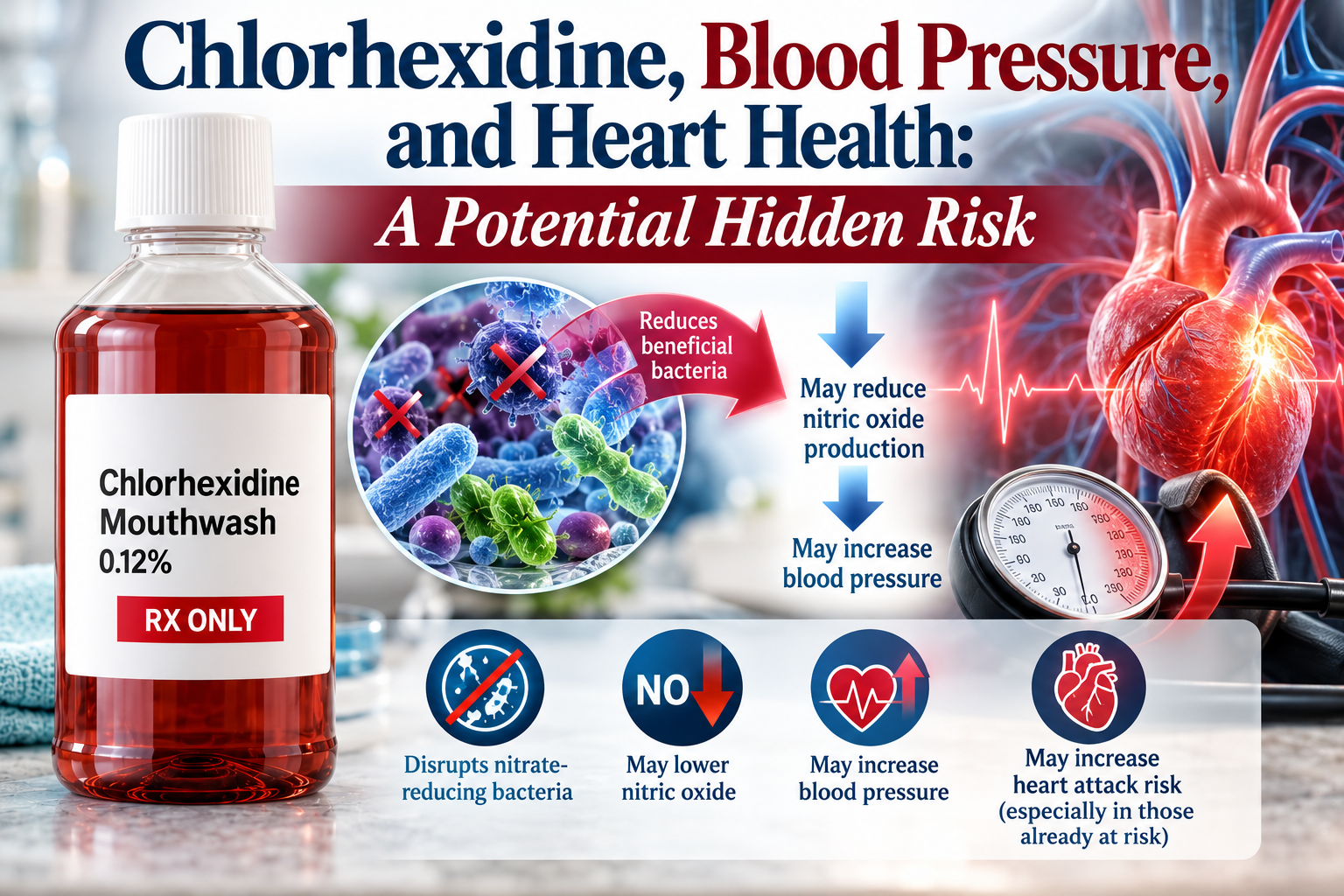
Brush twice daily, clean between your teeth every day, and use dental products suited to your needs. Ask your dentist about proven cavity-prevention products and appropriate rinses.
Those few minutes of daily care can help reduce the risk of much more extensive treatment later.
5. Develop a financial prevention plan.
If cost is holding you back, ask your dental team to explain priorities, phased treatment options, written estimates, insurance benefits, and available payment arrangements.
You don’t necessarily have to do everything at once. But you do need to know which problems are most important to address.
A Different Way to Think About Dental Expenses
Consider two questions:
How much will it cost me to take care of my teeth?
And:
How much could it cost me if I don’t?
The second question is the one too many people never ask—until they’re facing an emergency.
You might postpone a dental appointment to avoid a few hundred dollars of expense, only to discover later that the problem requires a much larger investment.
The smartest financial decision isn’t always choosing the lowest price today.
Sometimes it’s choosing the treatment that gives you the best opportunity to preserve your health, comfort, and natural teeth for years to come.
Your Future Self Will Thank You
Imagine reaching your 70s, 80s, or beyond with healthy, functional natural teeth.
Being able to enjoy your favorite foods. Smile confidently. Avoid repeated dental emergencies. And spend your retirement savings on experiences rather than preventable dental repairs.
That future begins with the decisions you make today.
You don’t have to have a perfect mouth. And you don’t need to purchase every optional dental treatment.
You do need a dentist who helps you understand your risks, a realistic prevention plan, and the commitment to follow through.
Because the best dental investment isn’t the most expensive treatment you can afford. It’s taking the right action early enough to avoid needing it.
Your Next Step: Ask Your Dentist These Three Questions
- What dental problems do I currently have that could become more expensive or painful if I wait?
- What can we do now to protect my natural teeth and prevent further disease?
- Can we create a prioritized prevention and treatment plan that fits my health needs and budget?
Don’t wait for a toothache to tell you it’s time to invest in your health.
Your teeth are meant to serve you for a lifetime. Give them the care—and the investment—they deserve.
Learn more about proactive, prevention-focused dental care at TheMeditzMethod.com.
References
- Centers for Disease Control and Prevention. About Cavities (Tooth Decay). 2024.
- Centers for Disease Control and Prevention. About Periodontal (Gum) Disease. 2024.
- Centers for Disease Control and Prevention. About Tooth Loss. 2024.
- American Dental Association. Home Oral Care.
- American Dental Association, MouthHealthy. Common Questions About Going to the Dentist.
- American Dental Association. ADA Leaders Urge Insurance Groups to Cover Preventive Services. 2025.