Patients: Are You Ready for Oral Systemic Dental Health?
Take the 5-Minute Oral-Systemic Health Readiness Assessment and Discover How Well You’re Protecting Your Mouth—and Your Body.
You brush your teeth. You visit your dentist. Maybe you floss regularly.
But here’s a question you may never have considered:
Are you doing enough to protect not just your teeth and gums, but your overall health?
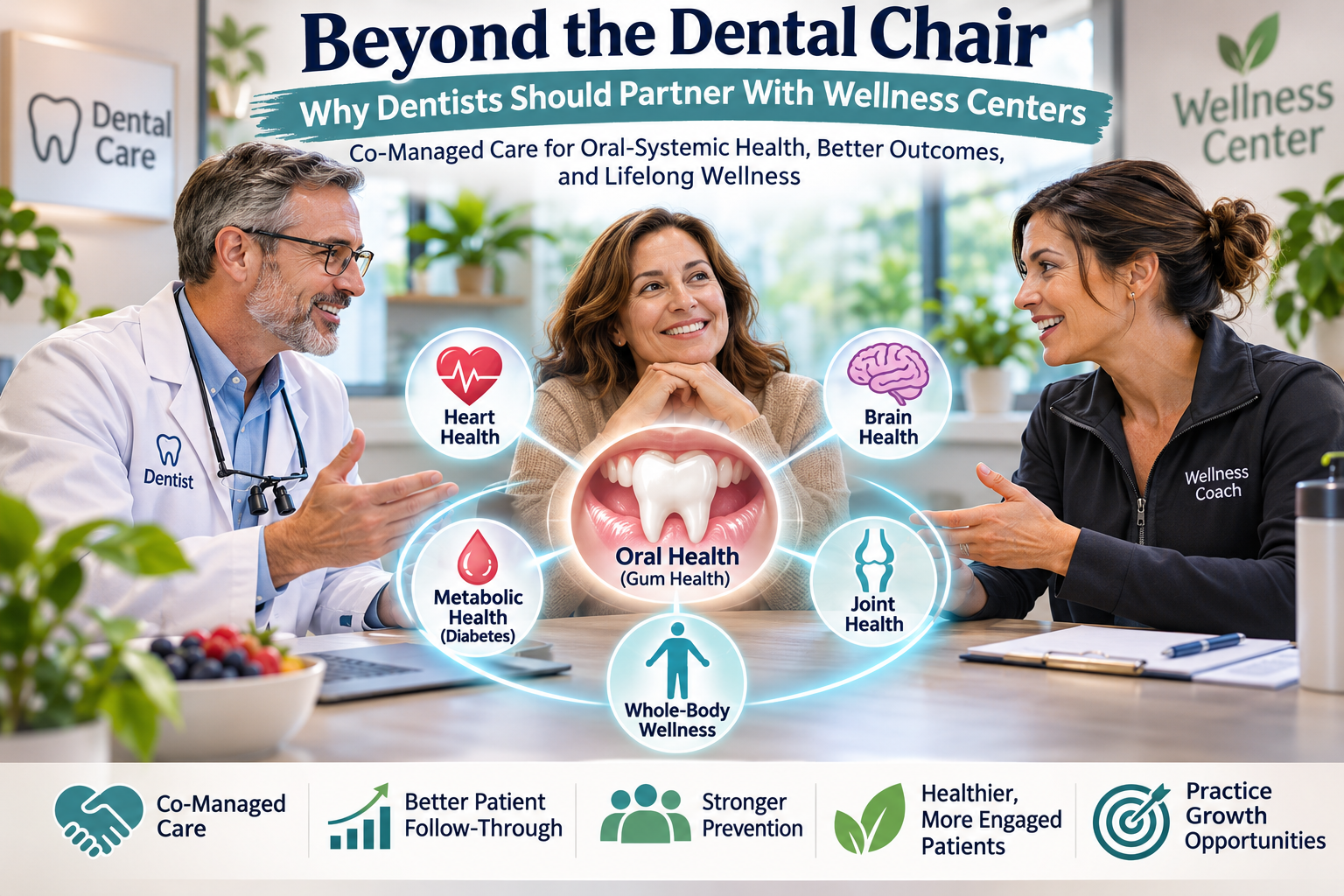
Your mouth is more than a beautiful smile. It’s part of a complex biological system connected to the rest of your body.
Research has linked poor periodontal (gum) health with conditions including cardiovascular disease, diabetes, and other chronic health concerns. Scientists continue to investigate how oral bacteria, inflammation, and shared risk factors contribute to these relationships.
Although these associations don’t prove that gum disease causes every related condition, they give us an important reason to pay attention to oral health.
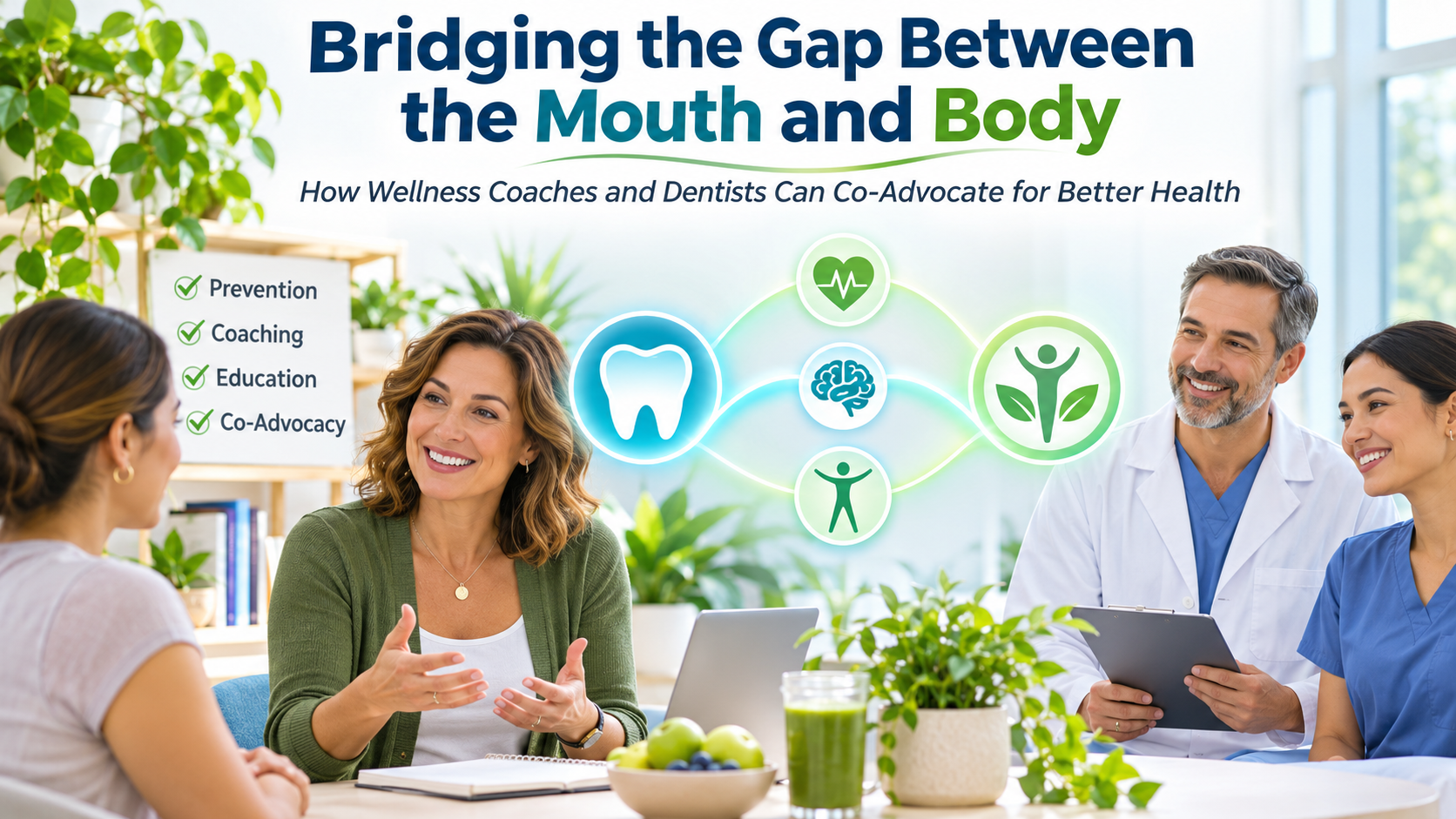
This is the foundation of Oral-Systemic Health (OSH)—understanding how the health of your mouth relates to the health of your entire body.
And while your dentist plays an important role, you are the most important member of your oral healthcare team.
So how ready are you to take charge of your oral-systemic health?
Let’s find out.
The 5-Minute Oral-Systemic Health Readiness Assessment
This simple quiz evaluates five important areas of your oral health awareness and daily habits.
For each category, give yourself a score from 1 to 5.
- 1 = Not Yet: I haven’t really thought about this or started.
- 2 = Beginning: I know it’s important, but I rarely take action.
- 3 = Making Progress: I’m doing some things consistently.
- 4 = Doing Well: I have good habits and follow through most of the time.
- 5 = Fully Committed: I understand the importance and consistently take action.
Be realistic. This isn’t about getting a perfect score. It’s about discovering opportunities to better protect your oral and overall health.
1. Understanding the Mouth-Body Connection
Do you understand how your oral health may influence your overall well-being?
Ask yourself:
- Do I know that periodontal disease involves inflammation and infection around the teeth?
- Do I understand that gum disease and diabetes can affect each other?
- Am I aware that periodontal disease is associated with cardiovascular disease?
- Do I recognize that bleeding gums, persistent bad breath, and loose teeth deserve professional attention?
- Do I understand why maintaining healthy gums matters even when my mouth doesn’t hurt?
Your Score: _____ / 5
Many oral health problems develop quietly.
You may have periodontal disease without significant pain. And by the time teeth become loose or uncomfortable, substantial damage may already have occurred.
The absence of pain doesn’t always mean the absence of disease.
Understanding the warning signs is your first step toward prevention.
2. Your Daily Oral Health Routine
Are your daily habits helping create a healthy environment in your mouth?
Consider whether:
- I brush thoroughly twice a day using a soft-bristled toothbrush and an appropriate toothpaste.
- I clean between my teeth at least once daily using floss, interdental brushes, or another recommended method.
- I use mouthwash when recommended and understand that it doesn’t replace brushing and interdental cleaning.
- I limit frequent exposure to sugary foods and drinks that contribute to tooth decay.
- I follow a personalized home-care routine recommended by my dental professional.
Your Score: _____ / 5
Your oral health is influenced by what you do between dental visits.
Your mouth contains a community of microorganisms called the oral microbiome. Many are beneficial, while others can contribute to tooth decay and periodontal disease when the microbial community becomes imbalanced.
Consistent home care helps control dental plaque and supports healthier teeth and gums.
Remember, prevention is a daily practice—not just something that happens during a dental appointment.
3. Knowing Your Oral Health Status
Do you know what’s actually happening beneath your gums?
Ask yourself:
- Do I know whether my dentist has diagnosed gingivitis or periodontal disease?
- Do I understand what periodontal pocket measurements mean?
- Do I know whether I’ve experienced bone loss around my natural teeth?
- If I have dental implants, do I understand the importance of monitoring the surrounding gums and bone?
- Do I understand the treatment or maintenance recommendations my dental team has given me?
Your Score: _____ / 5
Many patients know whether they have cavities but have little understanding of their periodontal health.
Yet the tissues and bone supporting your teeth are essential to keeping them healthy and stable.
Dental implants also require ongoing professional monitoring. They cannot develop cavities, but the surrounding tissues can develop inflammation and disease, including peri-implantitis.
You can’t take an active role in protecting your oral health if you don’t know your current condition.
At your next appointment, ask your dentist or hygienist to explain your periodontal findings.
4. Connecting Your Dental and Medical Care
Do your dental and medical providers have the information they need to care for you?
Consider whether:
- I tell my dentist about medical diagnoses, medications, and important changes in my health.
- I inform my physician about significant oral infections or periodontal concerns when relevant.
- I understand why diabetes and blood sugar management matter to gum health.
- I discuss risk factors such as smoking, dry mouth, and medications that may affect my oral health.
- I ask questions when my dentist recommends medical follow-up or collaboration with another healthcare provider.
Your Score: _____ / 5
Your medical and dental histories shouldn’t exist in separate worlds.
For example, diabetes can increase the risk and severity of periodontal disease, while periodontal inflammation may make blood sugar control more difficult.
Certain medications can also influence saliva production, gum tissues, and other aspects of oral health.
Sharing accurate information helps your providers make better-informed decisions.
Your dentist and physician don’t have to work in the same building to work toward the same goal: your health.
5. Taking Responsibility for Long-Term Prevention
Are you prepared to make oral health a lifelong priority?
Ask yourself:
- I keep regular dental appointments based on my individual needs and risk factors.
- I follow through with recommended care after discussing the options with my dentist.
- I understand that periodontal disease may require ongoing maintenance, even after successful treatment.
- I am willing to improve habits that affect oral health, including tobacco use and frequent sugar consumption.
- I view dental care as an investment in my long-term health rather than something to address only when problems become painful.
Your Score: _____ / 5
One of the most expensive dental decisions can be waiting until a small problem becomes a major one.
Untreated dental problems may eventually require more extensive care, including root canal treatment, periodontal therapy, extractions, or tooth replacement.
Not every problem is preventable, but early diagnosis and appropriate treatment can often help limit complications.
And when it comes to oral-systemic health, protecting healthy teeth and gums is an important part of protecting your long-term well-being.
What’s Your Oral-Systemic Health Readiness Score?
Add your five category scores.
Total Score: _____ / 25
This assessment is an educational self-reflection tool, not a validated medical or dental screening test. Your score does not diagnose disease or measure your risk of a heart attack, stroke, or other medical condition.
5–11 Points: Time to Get Started
You may be missing some of the information or daily habits needed to make oral health a consistent priority.
The good news? You don’t need to change everything at once.
Your next step: Schedule a comprehensive dental examination, learn your periodontal status, and choose one daily habit to improve.
12–19 Points: You’re Building Healthy Habits
You understand some of the important connections between oral and overall health and have already taken steps toward prevention.
But there may be gaps in your knowledge, home care, or professional follow-through.
Your next step: Review your lowest-scoring category and discuss it with your dental team.
One focused improvement can help you build a stronger routine.
20–25 Points: You’re Ready to Take the Lead
You have a strong foundation of oral health awareness and preventive habits.
Now the goal is to remain consistent and make sure your professional care supports your long-term needs.
Your next step: Review your periodontal health with your dentist, confirm your personalized maintenance schedule, and continue improving where needed.
Even a perfect score doesn’t guarantee that you’re free of dental disease. Regular professional examinations remain essential.
What Your Score May Be Telling You
Two people can receive the same score and have completely different needs.
One person may have an excellent daily oral hygiene routine but know very little about periodontal disease.
Another may understand the oral-systemic connection but struggle to maintain consistent home-care habits.
Someone else may faithfully visit the dentist yet have no idea whether they have bone loss or inflammation around their dental implants.
That’s why your score is only the beginning.
The real value comes from identifying what you don’t know, what you’re not doing consistently, and what you can change.
Five Questions to Ask Your Dentist at Your Next Visit
Whether your score is 10 or 25, these five questions can help you become a more informed patient:
- Do I have any signs of gingivitis, periodontal disease, or bone loss?
- What are my periodontal pocket measurements, and what do they mean?
- Are there any medical conditions or medications that could influence my oral health?
- What should I be doing at home to maintain a healthy oral microbiome and protect my gums?
- Based on my individual risk factors, how often should I receive periodontal evaluations and professional maintenance?
If you have dental implants, also ask how your dentist monitors for peri-implant inflammation and bone loss.
You deserve to understand your diagnosis, your options, and how to protect the investment you’ve made in your oral health.
From Oral Health Awareness to Whole-Body Wellness
At The Meditz Method™, we believe dental care should go beyond treating isolated problems in the mouth.
An Oral-Systemic Health approach encourages patients and healthcare professionals to consider the bigger picture.
That includes recognizing oral inflammation, understanding individual risk factors, supporting a healthy oral environment, and encouraging collaboration between dental and medical providers when appropriate.
It also means making prevention part of everyday life.
Because the best oral healthcare strategy isn’t simply fixing problems after they develop.
It’s understanding your risks, taking action early, and protecting the health you already have.
Are You Ready to Take the Next Step?
Your mouth may be providing important information about your health.
Are you listening?
Start by completing your readiness assessment, identifying your lowest-scoring category, and sharing your results with your dental professional.
Ask questions. Understand your periodontal status. Commit to a daily home-care routine. And don’t wait for pain before seeking professional advice.
You have more influence over your oral health than you may realize.
And every positive change is an investment in your future.
The Meditz Method™ — It’s not alternative. It’s advanced, whole-body dentistry.
Learn more about the oral-systemic connection, periodontal health, and dental implant safety at TheMeditzMethod.com. If you want more specifics about protecting your mouth and body, teeth, have implants or considering getting implants, Diffuse the Dental Implant Time Bomb is a must read.
Your mouth is connected to your body. Your oral health deserves to be connected to your healthcare.
References and Further Reading
- American Dental Association. Oral-Systemic Health. https://www.ada.org/resources/ada-library/oral-health-topics/oral-systemic-health
- American Dental Association. Diabetes. https://www.ada.org/resources/ada-library/oral-health-topics/diabetes
- Centers for Disease Control and Prevention. About Periodontal (Gum) Disease. https://www.cdc.gov/oral-health/about/gum-periodontal-disease.html
- American Academy of Periodontology. Patient Resources. https://www.perio.org/for-patients/