Are You Ready for Oral Systemic Dental Health?
Take the 5-Minute OSH Practice Readiness Assessment and Discover Where Your Practice Stands
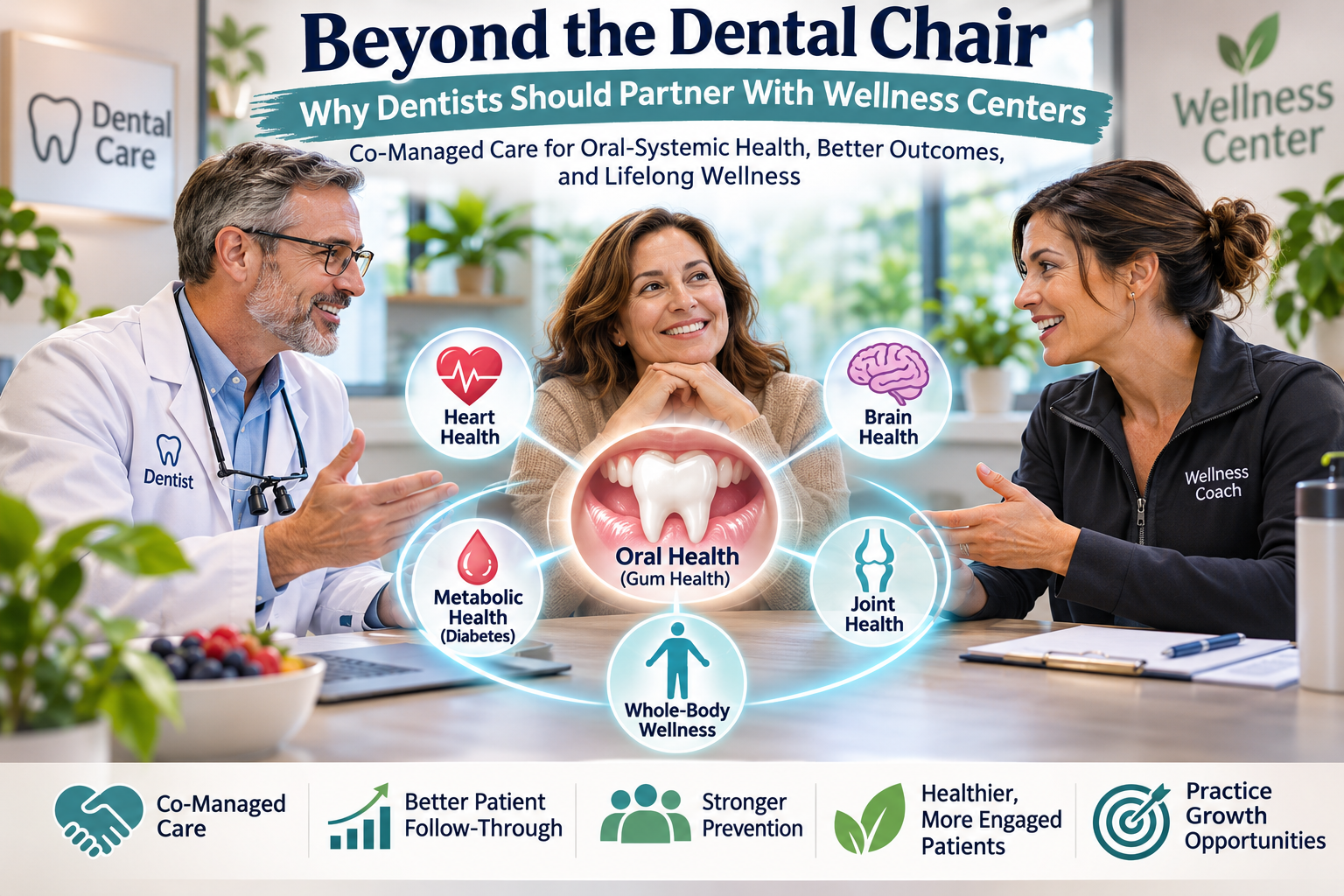
Most dentists understand that oral health and overall health are connected.
But here’s a more important question:
Is your dental practice actually prepared to deliver Oral-Systemic Health (OSH) care consistently, confidently, and profitably?
Understanding the science is one thing. Building a practice that translates that knowledge into everyday patient care is something entirely different.
Many dentists have invested in continuing education, advanced technology, and periodontal treatment programs. Yet their teams may still struggle to communicate the value of comprehensive care, coordinate with medical providers, or help patients understand why treatment matters.
The challenge isn’t necessarily a lack of knowledge or commitment.
It’s knowing whether your practice is truly ready—and identifying what’s missing.
Let’s find out.
The 5-Minute Oral-Systemic Health Readiness Assessment
This self-assessment measures five essential areas of practice readiness.
For each category, give your practice a score from 1 to 5.
- 1 = Not in place: We haven’t established a consistent process.
- 2 = Beginning: We’re aware of the need but have limited implementation.
- 3 = Developing: Some team members are using the process.
- 4 = Established: We have a defined process that is usually followed.
- 5 = Fully Integrated: The process is consistently implemented, measured, and improved.
Be realistic. The purpose isn’t to achieve a perfect score. It’s to discover where your greatest opportunities exist.
1. Clinical Diagnosis and Protocols
Does your practice consistently evaluate oral health within the context of the patient’s overall health?
Consider whether your team:
- Completes comprehensive periodontal evaluations and documents relevant risk factors.
- Reviews medical histories, medications, and chronic health conditions that may influence oral health.
- Uses appropriate diagnostic tools and clinical evidence to guide treatment recommendations.
- Incorporates relevant health information, such as HbA1c, blood pressure, and medical laboratory findings, when clinically appropriate.
- Has defined protocols for periodontal therapy, reevaluation, and long-term maintenance.
Your Score: _____ / 5
A comprehensive diagnosis should do more than identify disease. It should help guide an individualized plan that addresses the patient’s clinical needs and risks.
2. Team Knowledge and Commitment
Can every member of your dental team explain the value of Oral-Systemic Health?
Consider whether:
- Your team understands established oral-systemic relationships, including periodontal disease and diabetes.
- Hygienists and dentists communicate a consistent message.
- Administrative and clinical staff understand their respective roles in the OSH patient experience.
- Team members receive ongoing training and have opportunities to ask questions.
- Your practice has a shared vision for comprehensive patient care.
Your Score: _____ / 5
A successful OSH culture cannot depend on the dentist alone.
When your team shares the same understanding and commitment, patients receive a more consistent and credible message.
3. Patient Education and Communication
Do your patients understand what you’re diagnosing—and why treatment matters?
Ask yourself:
- Do patients understand their periodontal diagnosis?
- Can your team explain the potential implications of oral inflammation without exaggerating systemic disease risks?
- Are patients given clear treatment options, expected benefits, risks, and alternatives?
- Does your team confirm that patients understand their role in maintaining periodontal health?
- Do you monitor the difference between diagnosed, presented, and accepted treatment?
Your Score: _____ / 5
A treatment recommendation has little value if the patient doesn’t understand it.
Comprehensive patient education isn’t about creating fear or pressuring patients into treatment.
It’s about providing the information they need to make informed decisions.
And when patients understand the value of recommended care, improved treatment acceptance may follow.
4. Medical-Dental Collaboration
Does your practice have a reliable process for communicating with medical providers?
Consider whether:
- Your team recognizes when a medical consultation or referral may be appropriate.
- There are established procedures for communicating relevant findings to physicians.
- You coordinate care when medical conditions or medications may affect dental treatment.
- Your clinical records document important medical-dental communication.
- Patients understand why collaboration between their healthcare providers can be beneficial.
Your Score: _____ / 5
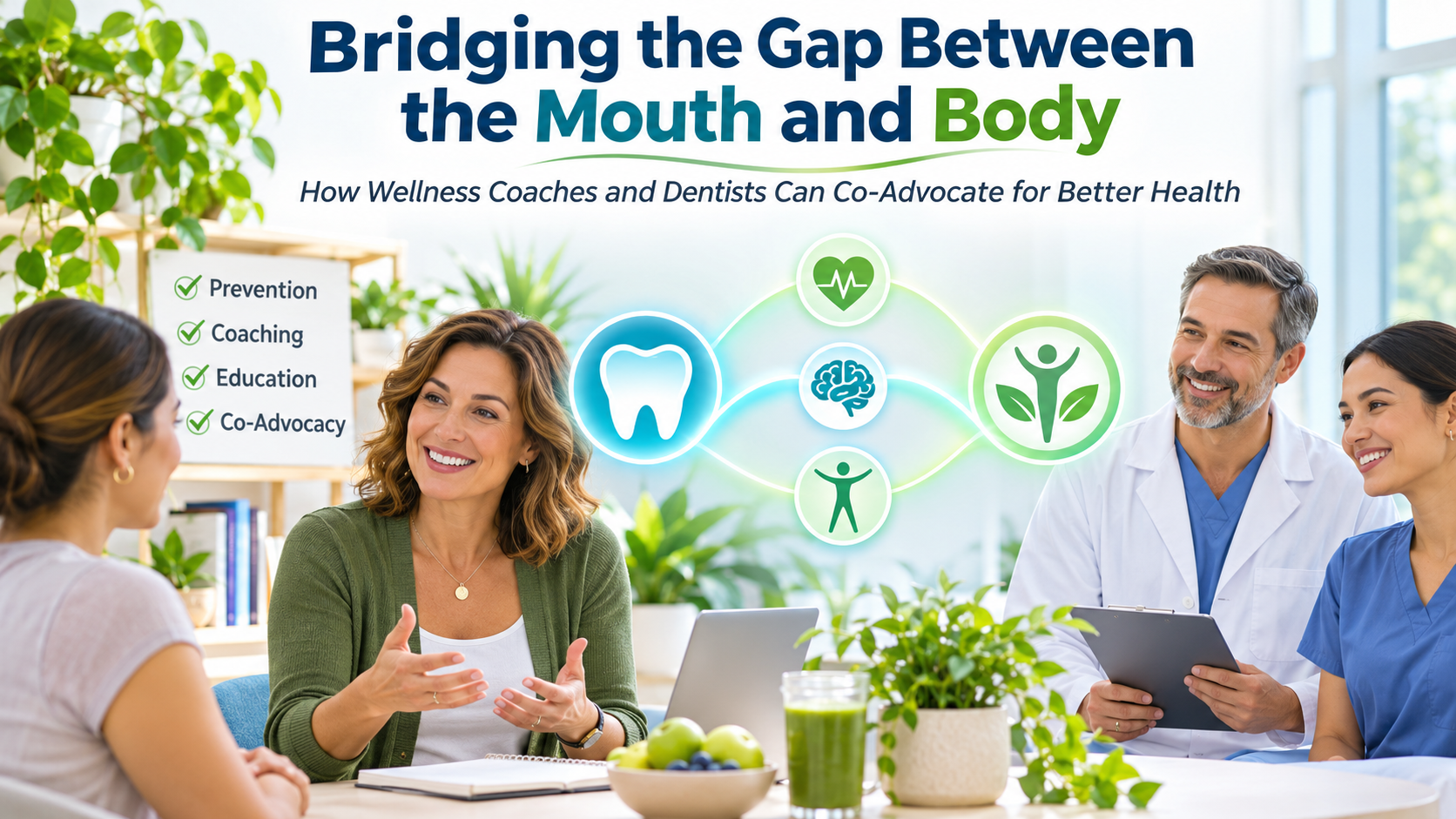
Dentists don’t need to become physicians, and physicians don’t need to become dentists.
But coordinated care can help address important information that might otherwise remain isolated in separate healthcare records.
Medical-dental collaboration doesn’t have to be complicated.
It starts with communication, clear protocols, and mutual professional respect.
5. Practice Leadership and Implementation Readiness
Is your practice organized to support the level of care you want to provide?
Consider whether:
- Your leadership team has established clear OSH goals.
- Your scheduling system supports adequate time for diagnosis, education, and treatment planning.
- Your practice monitors meaningful clinical and operational performance indicators.
- Team members understand their responsibilities and are held accountable for consistent implementation.
- You have a realistic plan for improving processes without unnecessarily increasing overhead.
Your Score: _____ / 5
This is often where practices discover their biggest opportunity.
You may have the knowledge, technology, and clinical skills to deliver comprehensive care.
But without the right structure, implementation becomes inconsistent.
A practice cannot rely on good intentions alone. It needs systems that support the standard of care it wants to deliver.
What’s Your OSH Readiness Score?
Add your five category scores.
Total Score: _____ / 25
This is an informal practice-development tool created to encourage self-evaluation. It is not a validated clinical assessment or accreditation standard.
5–11 Points: Getting Started
You recognize the importance of Oral-Systemic Health, but your practice may be missing some foundational processes.
Your greatest opportunity is to establish a clear direction, identify gaps, and begin building consistent clinical and communication protocols.
Your next step: Choose one area where improving consistency would make the greatest difference.
12–19 Points: Building Momentum
You’ve already made progress, but implementation may vary between providers, departments, or appointments.
Your practice may benefit from better team alignment, clearer responsibilities, and more consistent patient communication.
Your next step: Identify the lowest-scoring category and establish one measurable improvement goal.
20–25 Points: Ready to Advance
Your practice reports many of the foundations necessary for comprehensive OSH care.
Now the opportunity is to evaluate how consistently your systems perform—and whether they’re producing the outcomes you intend.
Your next step: Review actual clinical and operational results to identify opportunities for refinement.
A high score doesn’t mean your practice has nothing left to improve. It means you may be ready for more advanced integration.
Your Score Is Only the Beginning
Here’s what makes this assessment valuable.
Two dental practices can receive exactly the same total score and need entirely different solutions.
One may have excellent clinical protocols but struggle with patient communication.
Another may have an enthusiastic team but lack an organized system for diagnosis, treatment presentation, and follow-through.
A third may already deliver comprehensive care but have difficulty achieving sustainable profitability.
The solution isn’t the same for every practice.
That’s why implementing Oral-Systemic Health successfully begins with understanding where your practice stands today.
From Readiness to Results: The Meditz Method™
The Meditz Method™ helps dental practices move beyond simply understanding Oral-Systemic Health to integrating it into their everyday clinical and business operations.
The approach focuses on aligning five essential practice engines:
Finance, Marketing, Sales, Operations, and Human Resources.
Each plays a role in supporting comprehensive care.
For example, your practice may diagnose periodontal disease effectively but lose treatment opportunities because patients don’t understand the recommendations.
Or your hygienists may be highly skilled but overwhelmed by appointment structures that leave insufficient time for education and communication.
These aren’t necessarily clinical knowledge problems.
They’re systems problems.
The Meditz Method™ helps practices identify these gaps and develop practical improvements designed to support better patient experiences, stronger team performance, and sustainable practice growth.
And many of those improvements can begin with the staff, equipment, and patient relationships you already have.
Are You Ready to Discover What’s Holding Your Practice Back?
Your readiness score provides a starting point.
But the real opportunity lies in understanding why your practice scored the way it did—and what to do next.
That’s where I can help.
Schedule Your Complimentary 20-Minute OSH Practice Profit Review
Through The Meditz Method™, I’m offering a complimentary 20-minute conversation designed to identify three opportunities your practice may be overlooking.
We’ll explore where gaps in your clinical workflows, team communication, patient education, or business systems may be limiting your potential.
No expensive equipment purchases. No complicated overhaul. Just a focused look at opportunities to improve how your practice operates.
Ready to take the next step?
Message me “OSH REVIEW” and include your readiness score to schedule your complimentary conversation at https://gowellnet.com/book-leona
You don’t have to transform everything overnight.
You simply need to know where to begin.
The Meditz Method™ — It’s not alternative. It’s advanced, whole-body dentistry.
Learn more at https://themeditzmethod.com