Chlorhexidine, Blood Pressure, and Heart Health: A Potential Hidden Risk
Could a mouthwash prescribed to control gum disease interfere with your body’s natural ability to regulate blood pressure?
Emerging research suggests this is an important question.
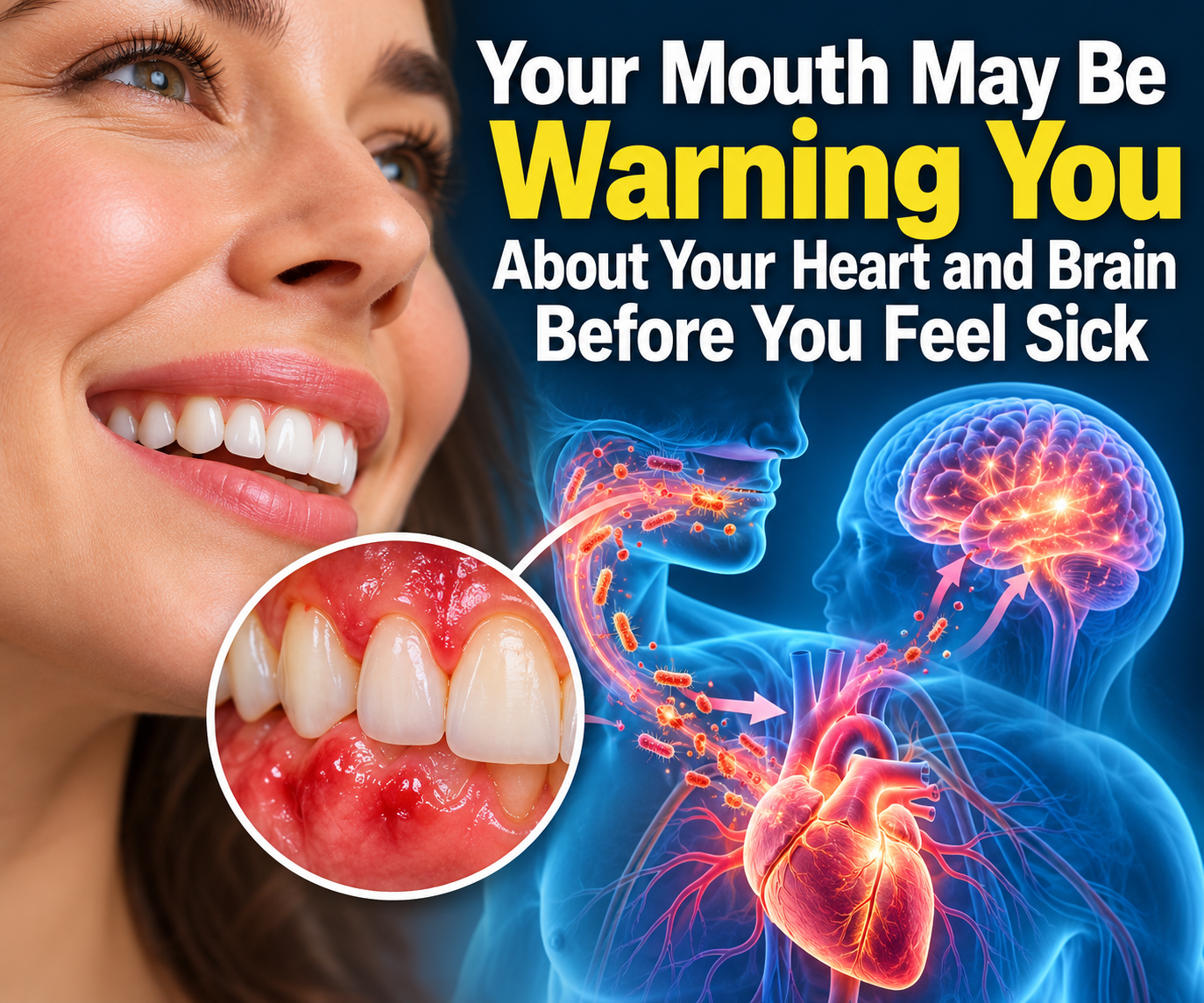
Chlorhexidine is a powerful antiseptic commonly prescribed to control gingivitis and oral bacteria. However, its broad antimicrobial action can also interfere with beneficial oral bacteria responsible for producing nitrite, an important component of the body’s nitric oxide pathway.
Nitric oxide helps blood vessels relax, supports healthy circulation, and plays an essential role in regulating blood pressure.
When chlorhexidine disrupts nitrate-reducing bacteria, it may reduce the body’s ability to produce nitric oxide through this pathway.
What Does the Research Show?
A clinical study published in Free Radical Biology and Medicine found that using chlorhexidine-based antiseptic mouthwash:
- Reduced oral nitrite production by approximately 90%.
- Reduced circulating plasma nitrite levels by approximately 25%.
- Increased blood pressure by approximately 2–3.5 mmHg in a small group of healthy participants.
Another study involving people being treated for hypertension found that antibacterial mouthwash use was associated with an approximately 2.3 mmHg increase in systolic blood pressure.
These findings are significant because high blood pressure is an established risk factor for heart attack and stroke.
However, the evidence requires careful interpretation. A 2026 systematic review and meta-analysis found no statistically significant overall increase in blood pressure from chlorhexidine mouthwash and concluded that any average effect was likely very small.
Could Chlorhexidine Increase Heart Attack Risk?
The biological concern is understandable: disrupting nitric oxide production could potentially affect cardiovascular health, especially in people already managing high blood pressure.
But an important distinction must be made.
Research has not established that using chlorhexidine mouthwash causes heart attacks or directly increases heart attack risk.
The concern is based on its effects on oral nitrate metabolism, findings from some small blood-pressure studies, and the established relationship between hypertension and cardiovascular disease.
This is another reason to avoid assuming that killing more oral bacteria necessarily produces better overall health.
What Should You Ask Your Dentist?
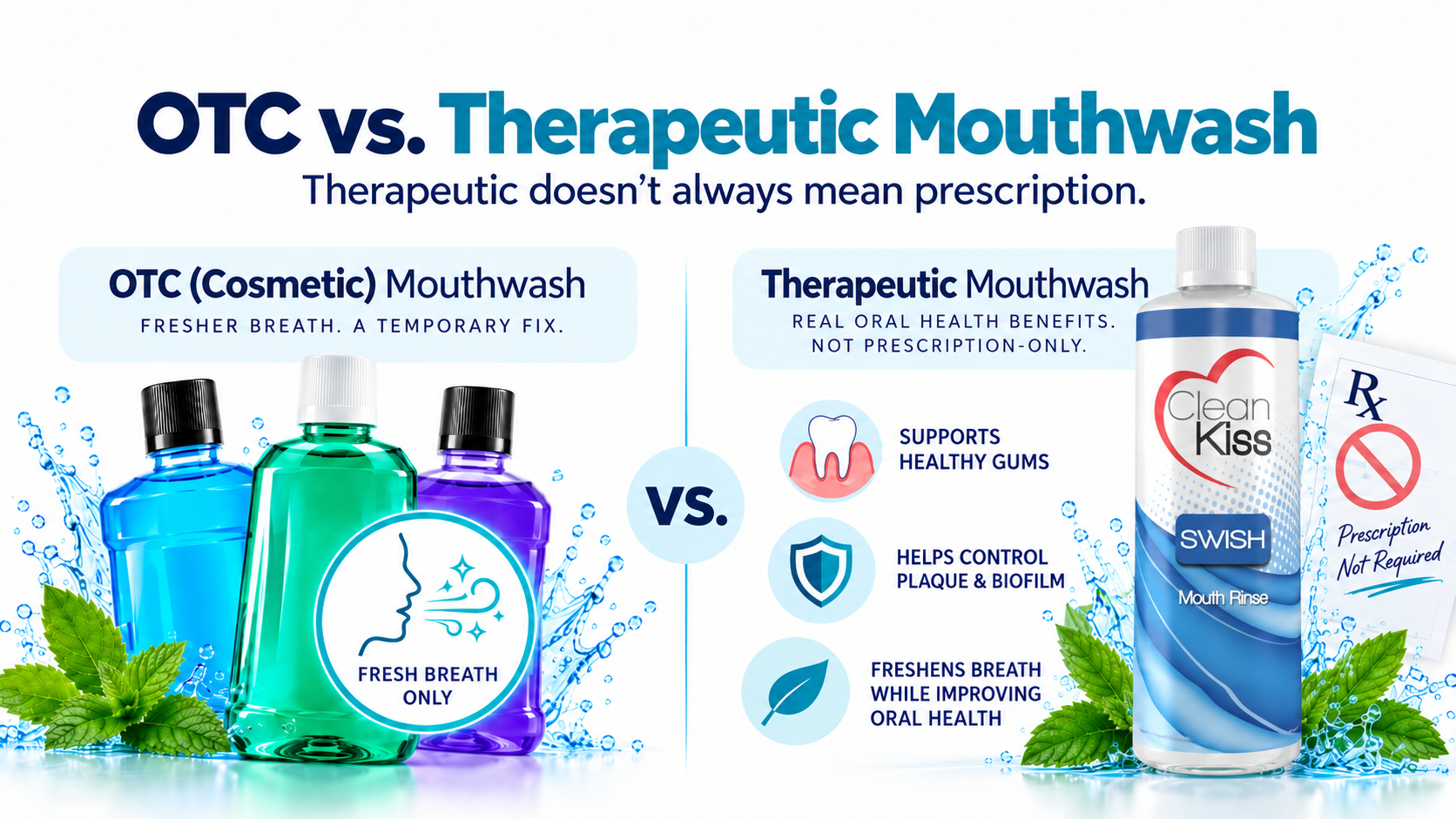
If your dentist recommends chlorhexidine, ask whether it is needed for a specific treatment period, how long you should use it, and whether another oral-care approach is appropriate afterward.
Do not discontinue a prescribed rinse without discussing it with your dentist.
The goal should be to control harmful oral bacteria and inflammation while preserving as much beneficial oral microbiome function as possible.
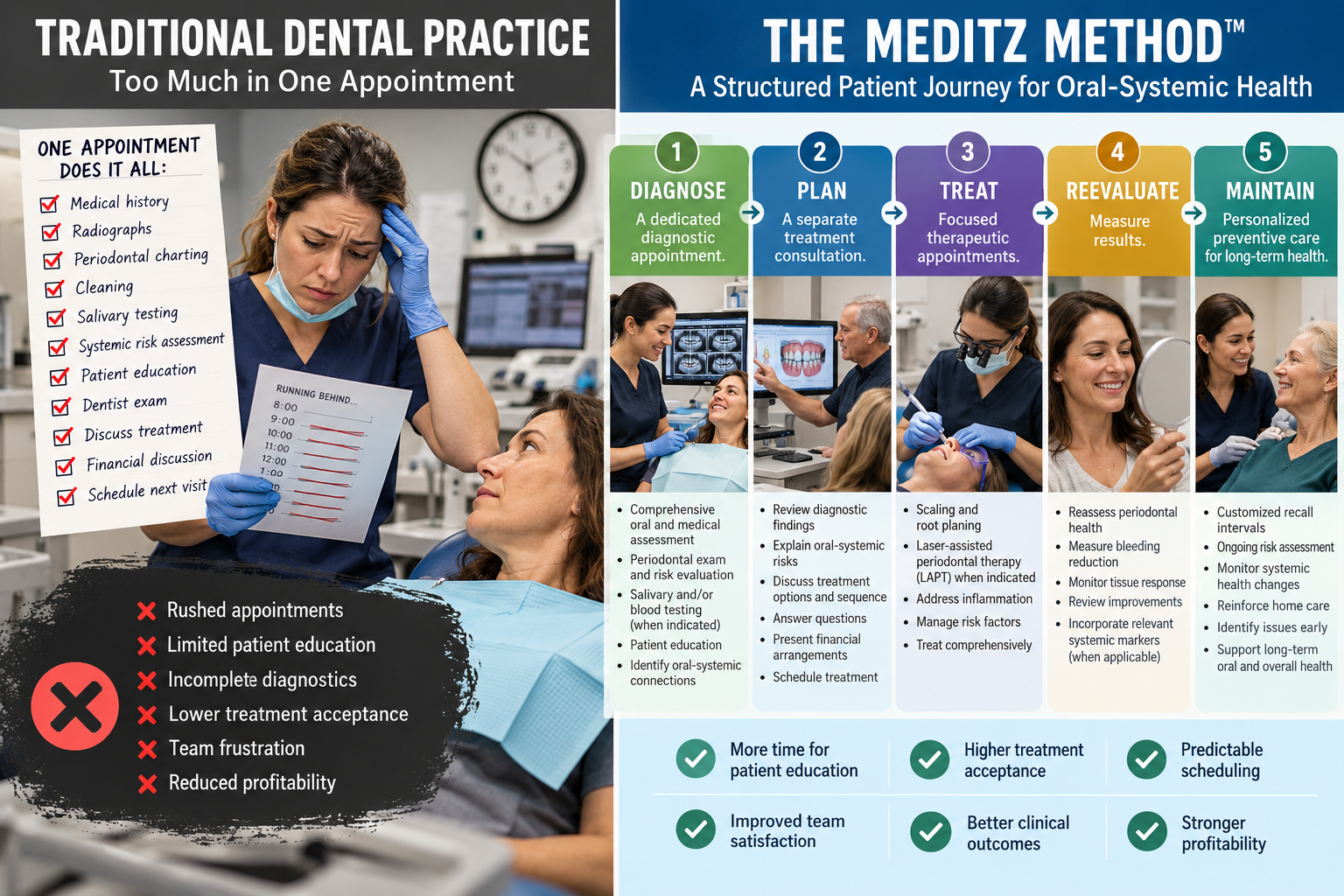
That is one of the central principles behind The Meditz Method™: oral care should consider not just the teeth and gums, but the health of the entire body.
Research References
- Kapil V, et al. (2013). Physiological role for nitrate-reducing oral bacteria in blood pressure control. Free Radical Biology and Medicine. https://www.sciencedirect.com/science/article/pii/S0891584912018229
- Bondonno CP, et al. (2015). Antibacterial mouthwash blunts oral nitrate reduction and increases blood pressure in treated hypertensive men and women. American Journal of Hypertension. https://pubmed.ncbi.nlm.nih.gov/25359409/
- Toonen EJ, et al. (2026). The Effect of Chlorhexidine Mouthwash on Blood Pressure: A Systematic Review and Meta-Analysis. International Journal of Dental Hygiene. https://pubmed.ncbi.nlm.nih.gov/41820203/