OTC vs. Therapeutic Mouthwash: What’s the Difference, and Do You Really Need a Prescription?
Why the right mouthwash should do more than freshen your breath—and why therapeutic oral care may already be available without a prescription.
Most people think mouthwash falls into two categories: the kind you buy at the store and the kind your dentist prescribes. But that’s not how it works.
The real distinction is between cosmetic and therapeutic mouthwash. And here’s something many consumers don’t realize:
Therapeutic mouthwash does NOT have to be prescription-only.
According to the American Dental Association (ADA), therapeutic mouthrinses are available both over the counter (OTC) and by prescription, depending on their ingredients and formulation. [1]
Understanding this difference can help you make better decisions about your oral health, especially if you’re concerned about gum inflammation, plaque, bad breath, or periodontal disease.
1. What Is OTC Mouthwash?
OTC simply means over the counter. It describes how a product is sold, not necessarily what it does.
Some OTC mouthwashes are cosmetic, while others provide clinically supported therapeutic benefits.
Cosmetic Mouthwash: Fresh Breath, But What Else?
Cosmetic mouthwashes are generally designed to:
-
Temporarily freshen breath.
-
Leave a pleasant taste.
-
Mask unwanted mouth odors.
-
Provide a refreshing sensation.
But fresh breath doesn’t necessarily mean a healthy mouth.
A minty rinse may temporarily disguise odors without addressing plaque, gingival inflammation, or the underlying causes of persistent bad breath.
The important question isn’t whether your mouthwash makes your mouth feel clean. It’s whether the ingredients provide a meaningful oral-health benefit.
2. What Makes a Mouthwash Therapeutic?
Therapeutic mouthwash contains active ingredients intended to help manage specific oral-health concerns.
Depending on the formulation and supporting clinical evidence, therapeutic rinses may help:
-
Reduce or control dental plaque.
-
Reduce gingivitis and gum inflammation.
-
Control bacteria associated with bad breath.
-
Help prevent tooth decay.
-
Support oral hygiene between dental visits.
The ADA identifies several ingredients used in therapeutic mouthrinses, including cetylpyridinium chloride (CPC), essential oils, fluoride, chlorhexidine, and certain peroxide formulations. Their benefits vary by ingredient and intended use. [1]
Therapeutic does not automatically mean stronger, prescription-only, or better for every patient. It means the rinse is intended to provide benefits beyond cosmetic freshening.
And those therapeutic benefits must be supported by appropriate evidence and comply with applicable regulatory requirements.
3. Prescription vs. Nonprescription: What’s the Difference?
Let’s clear up one of the biggest misconceptions about mouthwash.
| Type | Prescription needed? | Primary purpose |
|---|---|---|
| Cosmetic OTC mouthwash | No | Temporarily freshens breath |
| Therapeutic OTC mouthwash | No | Provides specific oral-health benefits, depending on active ingredients |
| Prescription therapeutic mouthwash | Yes | Addresses particular clinical needs under professional direction |
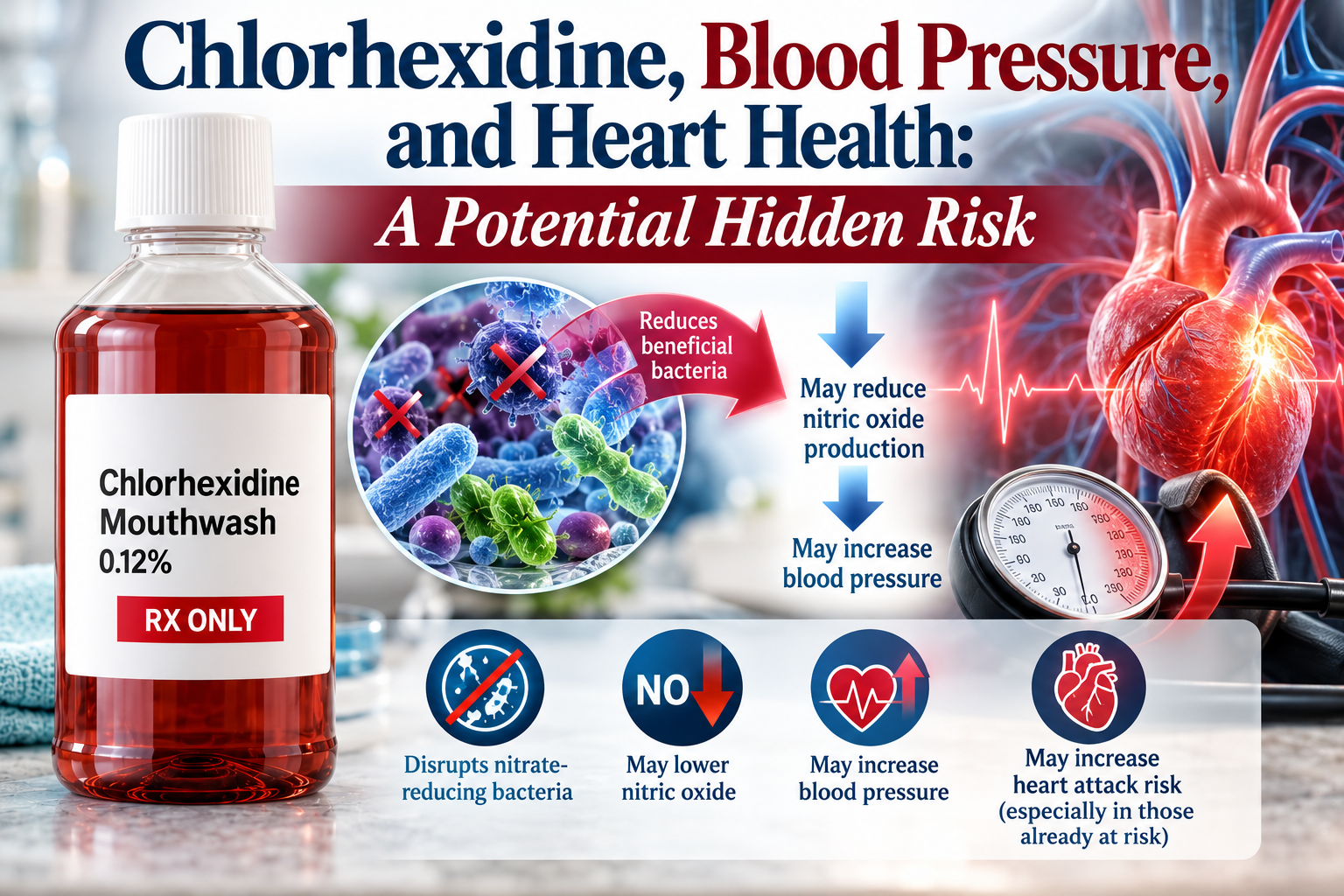
An example of prescription therapeutic mouthwash is chlorhexidine gluconate, commonly prescribed to help control gingivitis.
Chlorhexidine can be effective, but possible side effects include tooth staining, altered taste, and increased tartar formation. It is generally used under a dentist’s direction rather than as an unrestricted everyday rinse.
Meanwhile, certain therapeutic mouthwashes containing essential oils, CPC, or fluoride are available without a prescription.
You don’t have to wait until your dentist prescribes a mouthwash to benefit from therapeutic oral care.
However, not every product described in advertising as “therapeutic” has demonstrated the same clinical benefits. Always examine the actual claims, ingredients, and evidence.
4. What About the Oral Microbiome?
Your mouth contains hundreds of bacterial species, collectively forming an intricate ecosystem called the oral microbiome.
Not all bacteria are harmful.
Some oral bacteria contribute to normal biological functions, including nitrate metabolism and the production of compounds involved in oral and systemic health.
Others are associated with dental plaque, periodontal inflammation, tooth decay, and persistent bad breath.
The goal of oral hygiene should not be to eliminate every microorganism.
The goal is to control harmful biofilms and support a healthier, more balanced oral environment.
This is particularly important when selecting a mouthwash for daily, long-term use.
Antimicrobial ingredients differ in how they affect oral microorganisms. A rinse that reduces plaque effectively is not necessarily selective for harmful bacteria.
That’s why it’s worth asking whether a mouthwash has demonstrated both clinical benefits and suitability for your individual needs.
5. Why This Matters for Your Heart, Brain, and Body
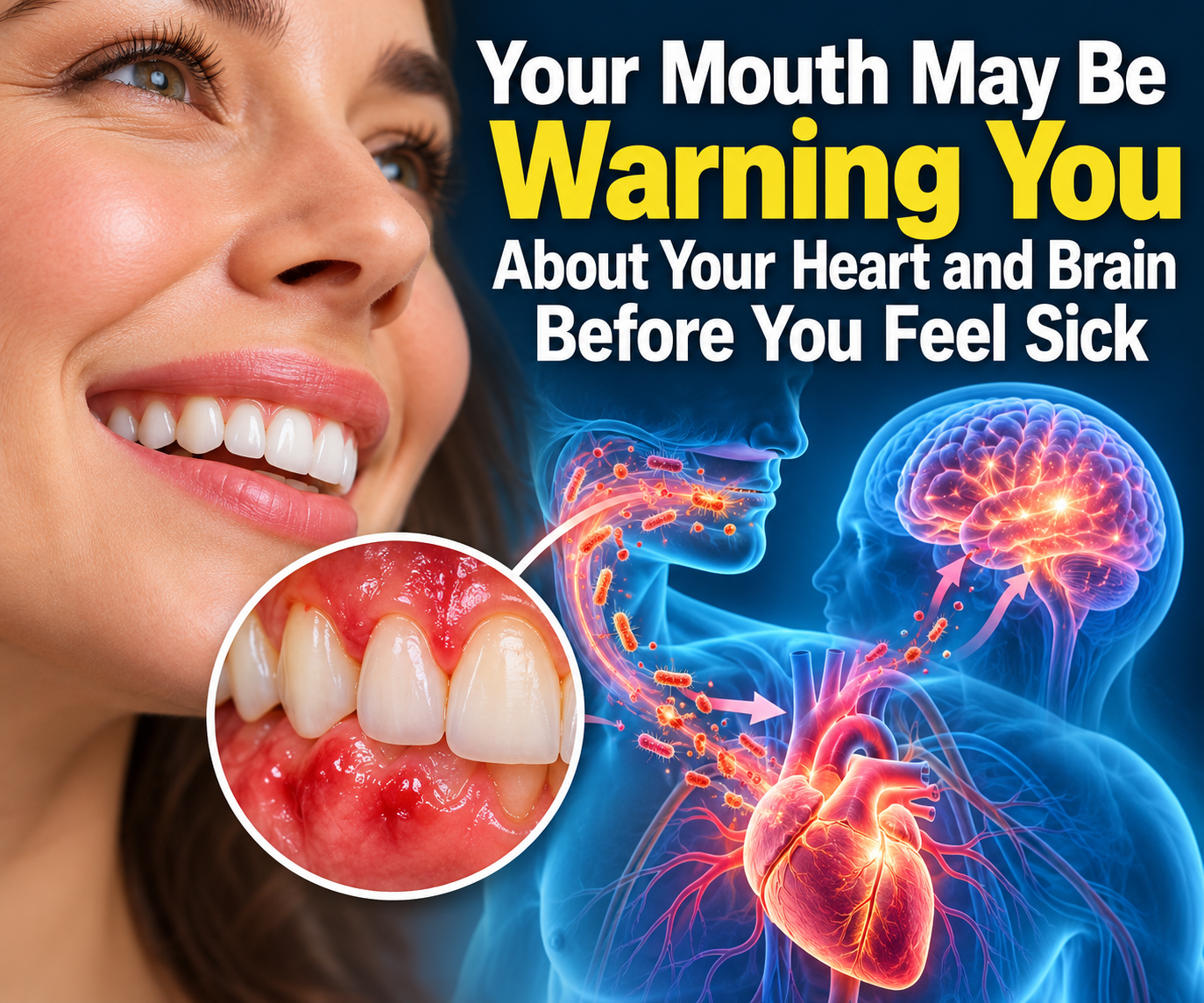
Research increasingly recognizes associations between periodontal disease and systemic conditions, including cardiovascular disease, diabetes, and cognitive decline.
Chronic periodontal inflammation can contribute to the body’s inflammatory burden, and certain oral bacteria or their components may enter the bloodstream.
However, an association does not mean gum disease directly causes every one of these conditions. Nor has mouthwash alone been proven to prevent heart attacks, strokes, or Alzheimer’s disease.
What we do know is that maintaining periodontal health is an important part of comprehensive preventive healthcare.
And effective daily oral hygiene plays an essential role.
A therapeutic mouthwash may be a useful addition to that routine, especially when selected for a specific oral-health concern.
But mouthwash alone cannot cure periodontitis or replace professional periodontal treatment.
6. Where Does Clean Kiss Swish Fit In?
At The Meditz Method™, we believe home oral care should focus on more than temporarily freshening breath.
That’s why Clean Kiss Oral Health was developed around a broader philosophy of maintaining a healthy oral environment and supporting consistent daily oral hygiene.
Clean Kiss Swish is designed as part of a daily oral-care routine that emphasizes the oral environment, ingredient selection, and microbiome awareness.
Its oxygenation-focused formulation philosophy distinguishes it from products marketed primarily for temporary breath freshening.
There’s an important distinction to understand, however: a product’s formulation philosophy and ingredients do not, by themselves, establish FDA-recognized therapeutic claims.
Whether a mouthwash can be marketed as treating or preventing gingivitis, plaque-related disease, or tooth decay depends on the product’s regulatory status and the evidence supporting those specific claims. [2]
Clean Kiss Swish should therefore be evaluated according to its verified product-specific evidence and claims, rather than assuming that oxygenation alone establishes therapeutic effectiveness.
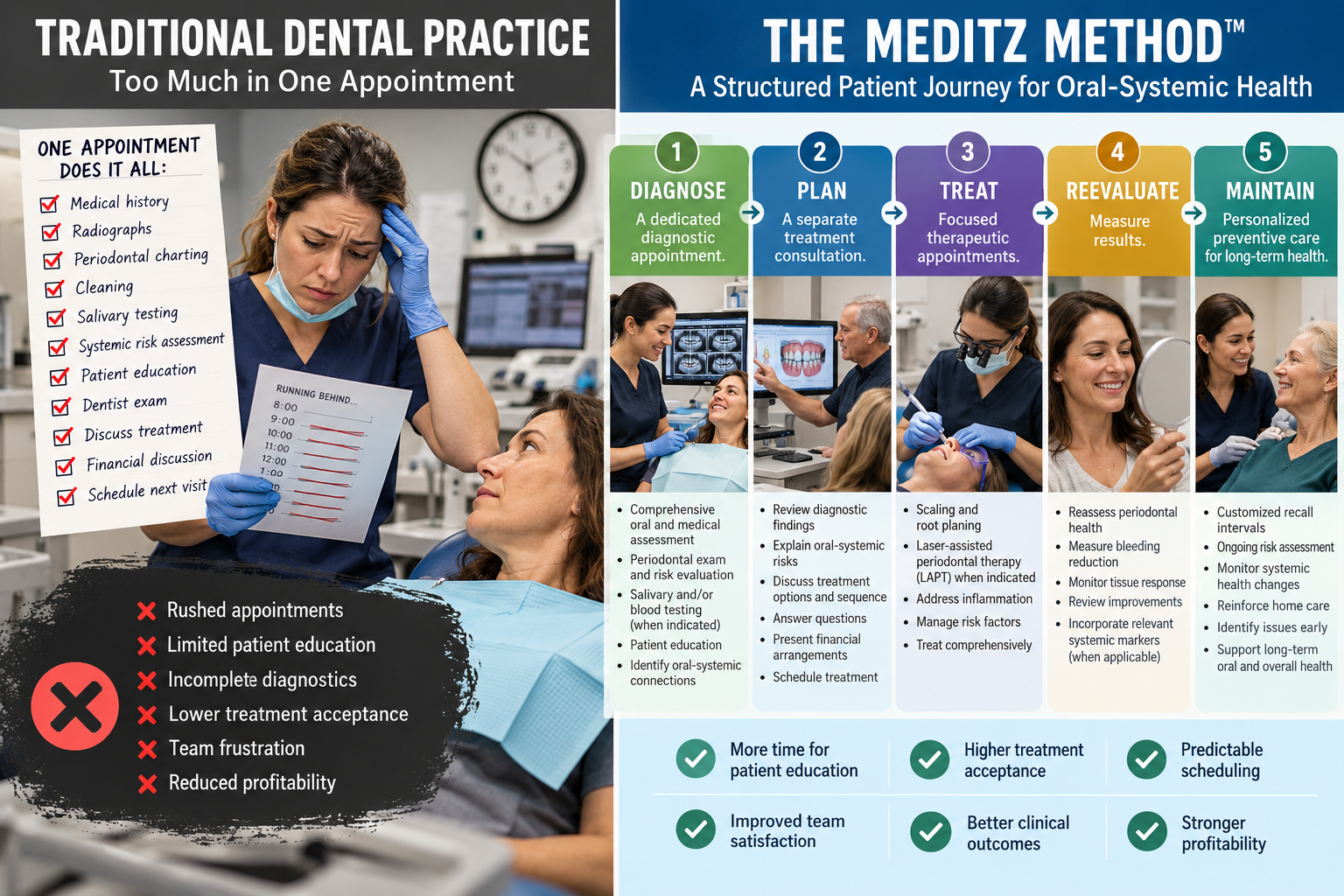
The Meditz Method™ philosophy is simple: support healthy oral biology while addressing the factors that contribute to periodontal disease.
This includes professional diagnosis, appropriate periodontal therapy, effective daily plaque removal, and home-care products suited to each person’s needs.
7. Five Questions to Ask Before Choosing a Mouthwash
Before buying your next bottle, ask yourself:
-
Is it cosmetic or therapeutic? Does it simply freshen breath, or does it have evidence supporting a specific oral-health benefit?
-
What are its active ingredients? Are they appropriate for your particular needs?
-
How does it affect the oral microbiome? What is known about its effects on beneficial and harmful bacteria?
-
Is it appropriate for daily use? Some therapeutic rinses are intended for ongoing use, while others are better suited to limited treatment periods.
-
Does it complement my periodontal care? The right rinse should support brushing, flossing or interdental cleaning, and professional dental treatment—not replace them.
For products making therapeutic drug claims, check the Drug Facts label and intended uses. The ADA Seal of Acceptance can also help identify products independently evaluated for their claimed safety and effectiveness.
8. The Bottom Line: You Don’t Need a Prescription to Take Oral Health Seriously
For years, many consumers have associated prescription mouthwash with serious treatment and store-bought mouthwash with cosmetic freshness.
But that’s an oversimplification.
Therapeutic mouthwash can be available over the counter. Prescription status does not determine whether a rinse provides meaningful oral-health benefits.
The better questions are what the product is designed to do, whether those benefits are supported by science, and how it fits into your individual prevention plan.
At The Meditz Method™, we encourage a proactive approach to oral-systemic health: recognize problems early, control inflammation, work collaboratively with your dental professionals, and develop consistent home-care habits.
Because protecting your smile should involve more than masking bad breath.
A healthier mouth starts with understanding what you’re putting into it—and why.
Explore Clean Kiss Oral Health for daily oral-care options and The Meditz Method™ for more education about the relationship between oral and systemic health.
References
1. American Dental Association. Mouthrinse (Mouthwash). Updated August 7, 2026. ADA Oral Health Topics.
2. U.S. Food and Drug Administration. LCC Ltd. Warning Letter, November 21, 2024. Explains regulatory requirements for OTC anticaries and antigingivitis/antiplaque products. FDA Regulatory Guidance Example.
3. U.S. Food and Drug Administration. Anticaries Drug Products for Over-the-Counter Human Use, OTC Monograph M021, 2023. FDA Anticaries Monograph.